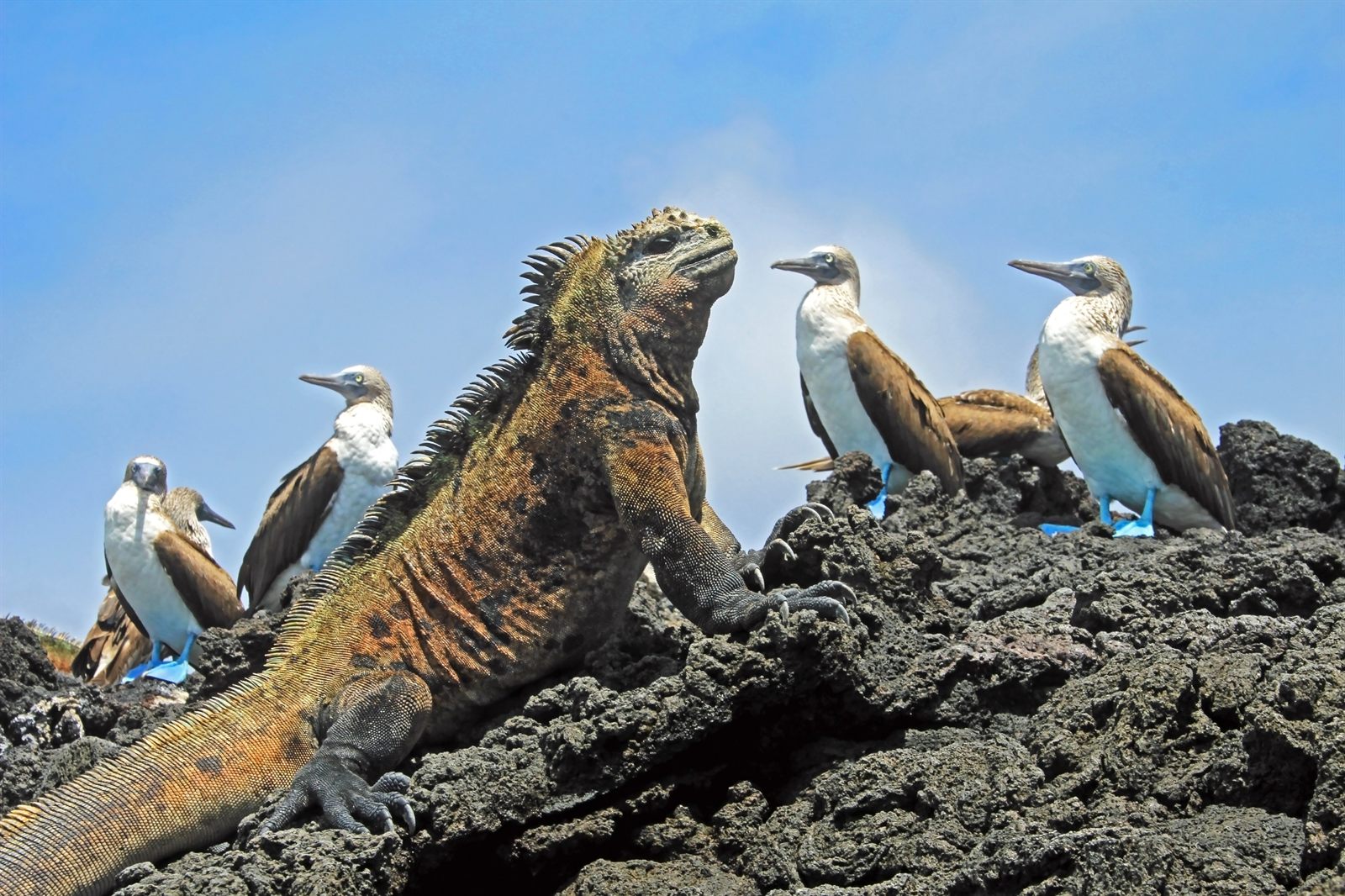
Galápagos Islands and Wildlife
Match the islands on your itinerary with the animals on your wish list.
Get Galápagos Cruise QuotesEvery Island Is Different
The Galápagos are volcanic islands of very different ages. The western islands are young, black and raw; the eastern ones are older, worn down and greener. Each has its own mix of species, which is why your itinerary decides what you will see.
A few animals turn up almost everywhere: sea lions, marine iguanas, Sally Lightfoot crabs and Darwin’s finches. Others live on only one or two islands. Use the guide below to match islands with the wildlife you most want to see.
Island by Island
| Island | Known for |
|---|---|
| Santa Cruz | The Charles Darwin Research Station in Puerto Ayora and giant tortoises roaming the green highlands |
| Isabela | The largest island, with active volcanoes, Galápagos penguins and flightless cormorants along its western coast |
| Fernandina | The youngest island, with vast colonies of marine iguanas on fresh lava |
| Española | Waved albatrosses in the breeding season, blue-footed boobies and colorful marine iguanas |
| Genovesa | A seabird island of red-footed boobies, frigatebirds and storm petrels, reached on northern routes |
| North Seymour | Nesting blue-footed boobies and magnificent frigatebirds close to Baltra |
| Bartolomé | The much-photographed Pinnacle Rock and a summit trail over lava formations |
| San Cristóbal | The provincial capital, sea lion colonies on the town beaches and a second airport |
The Wildlife Highlights
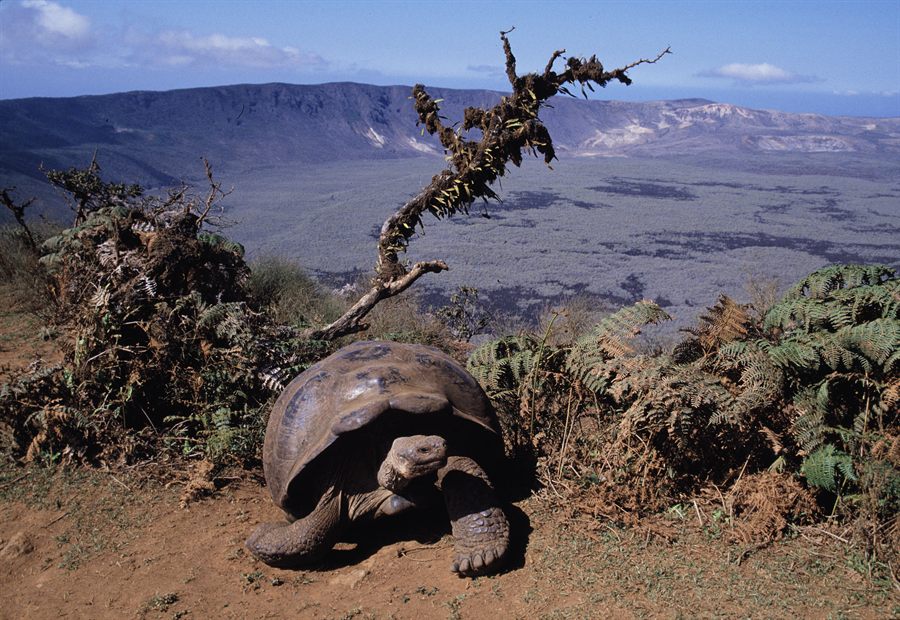
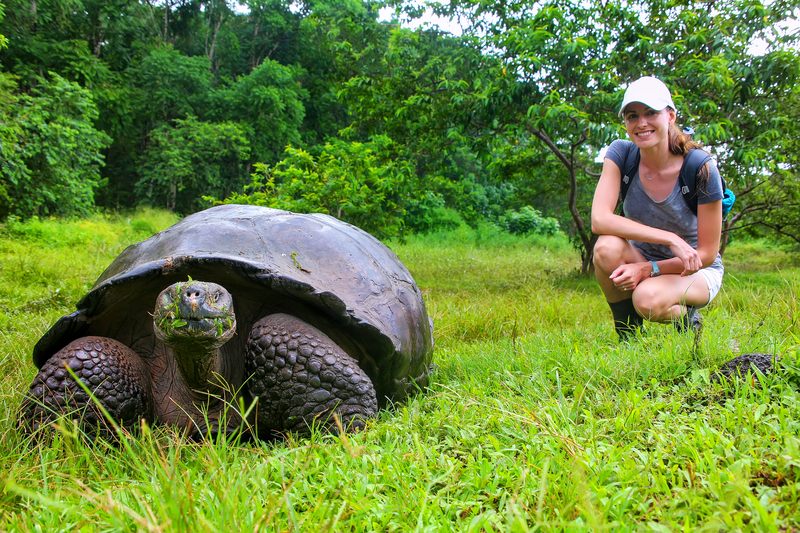
Giant tortoises
The animals that gave the islands their name. Different islands have their own forms, with shell shapes that suit dry or lush habitats.
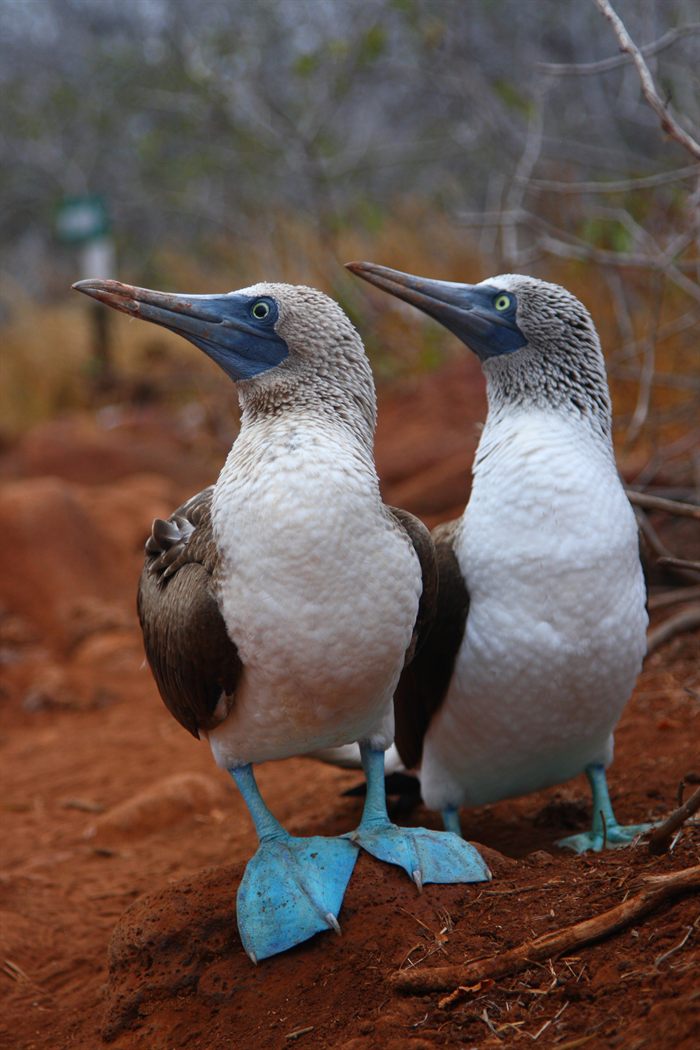
Blue-footed boobies
Famous for the courtship dance in which males show off their bright feet.
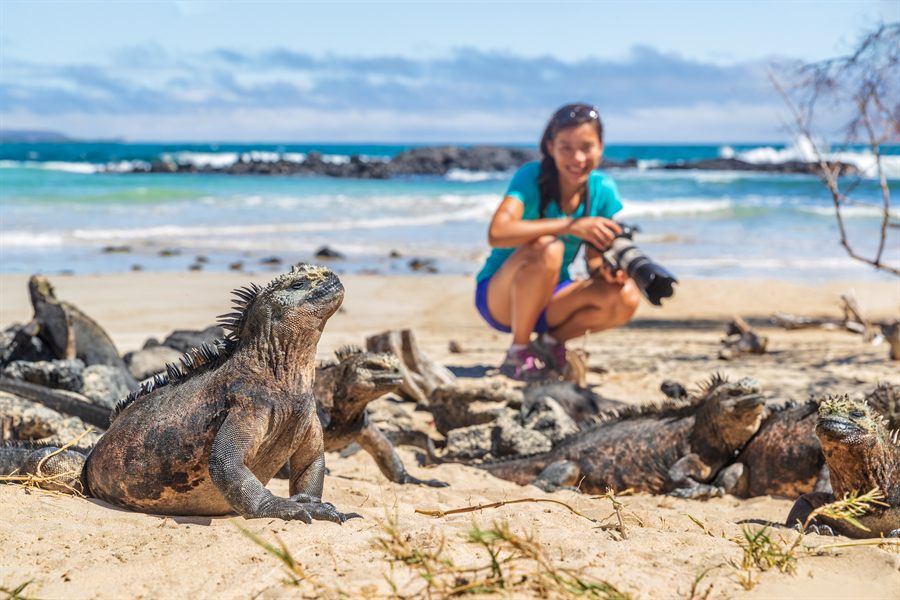
Marine iguanas
The only sea-going lizards in the world, diving to graze on algae and basking on the rocks afterward.
Under water the islands are just as rich. Snorkelers regularly meet sea lions, sea turtles, rays and reef fish, and on some routes Galápagos penguins, the only penguins that live at the equator. Wetsuits are welcome for much of the year because the water can be cool.
Bird watchers come for species found nowhere else: the flightless cormorant, the lava gull, the Galápagos hawk and the finches that helped Darwin form his ideas. A good naturalist will help you tell them apart.
Matching Islands to Your Wish List
- Waved albatross: choose a route that includes Española during the breeding season, roughly April to December.
- Penguins and flightless cormorants: look for western routes to Isabela and Fernandina.
- Red-footed boobies: Genovesa, reached only by certain northern itineraries.
- Giant tortoises: almost every route visits the Santa Cruz highlands.
Some longer South America cruises call at mainland Ecuador instead; our sister site has tours from Manta, Ecuador.
Snorkeling and Watching Responsibly
Snorkeling is part of almost every Galápagos day, and it is where many travelers have their favorite encounters: a young sea lion twisting around them, a turtle grazing on the rocks, a school of fish parting as they swim through. Guides choose sites to suit the group’s ability, and boats stay close by. The same respect applies in the water as on land: do not chase or touch animals, and let them come to you. A short swim with your face in the water often reveals more than an hour on the beach.
Cruise the Islands You Want
Tell us which animals top your list. Our cruise advisors at Mister Cruise will match you to routes that visit the right islands and send free quotes.
Get Galápagos Cruise Quotes